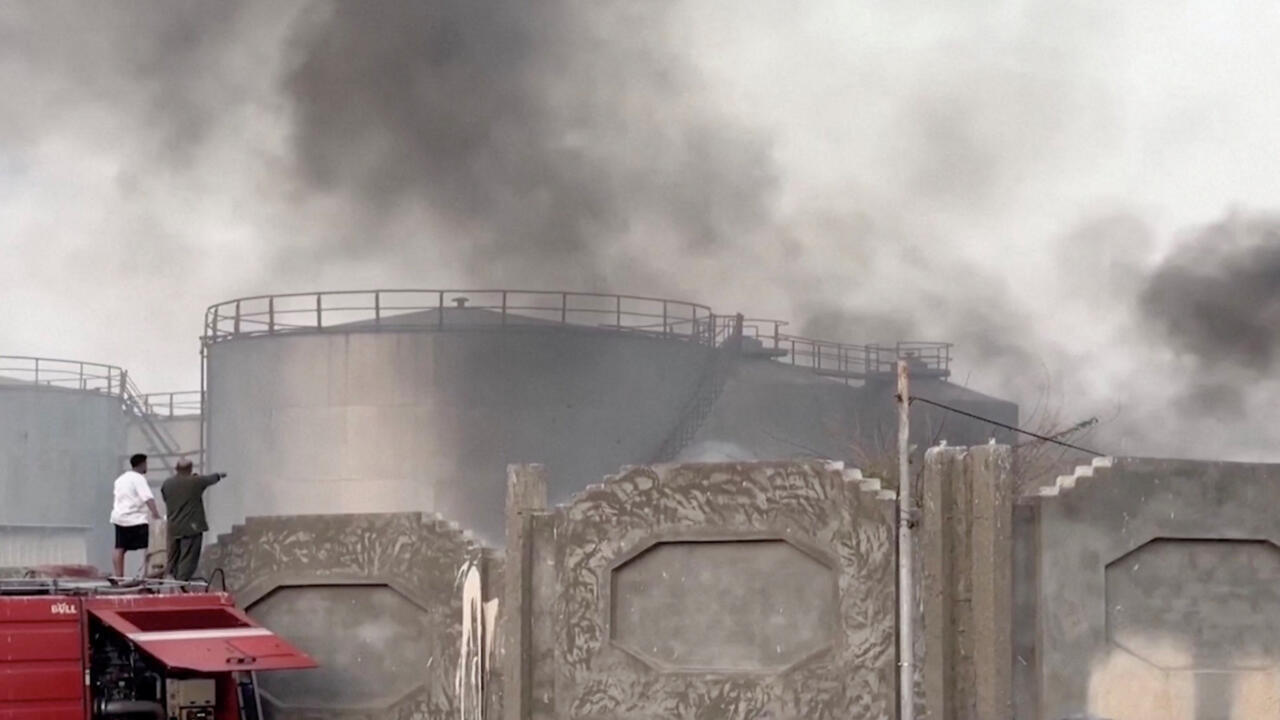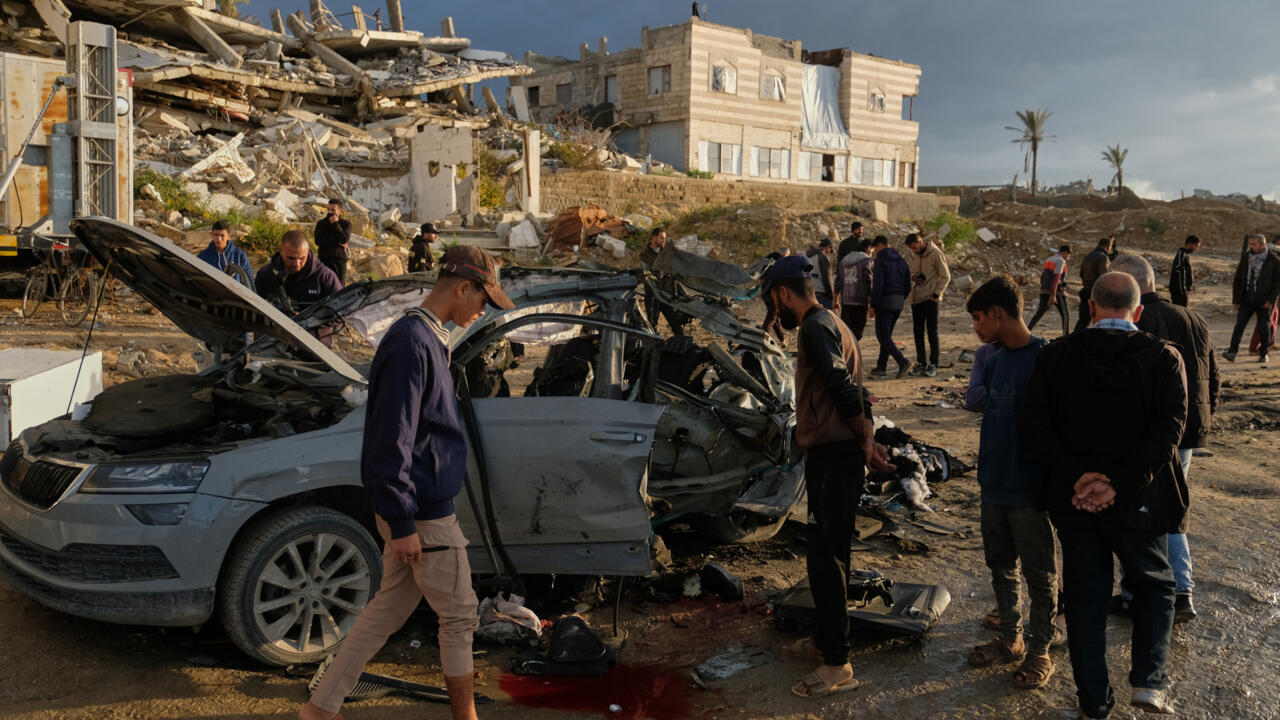
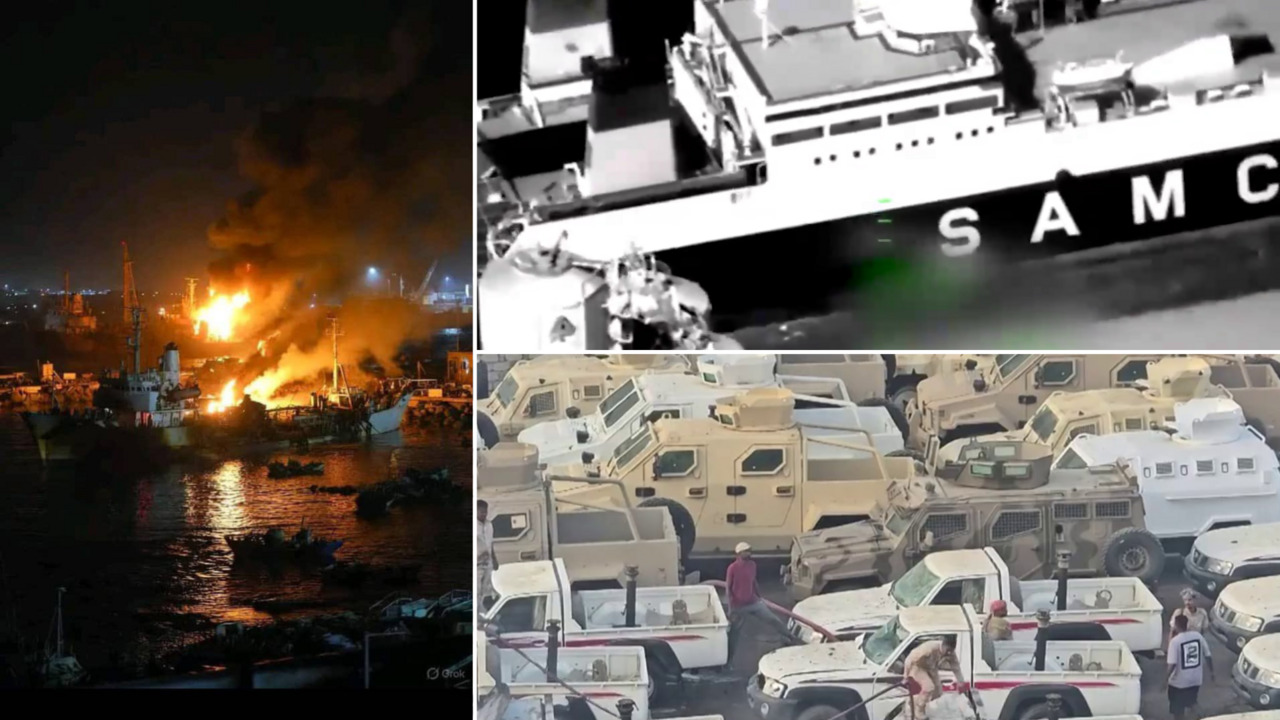
Images of the air strike on Yemen’s port of Mukalla on Tuesday, December 30, 2025, have circulated widely across global media, including flames burning along the shoreline and a column of black smoke rising over the port.
The Saudi-led military coalition that carried out the strike claimed the bombardment targeted “weapons and combat vehicles” unloaded from two ships arriving from the port of Fujairah in the United Arab Emirates. According to the coalition, these arms were intended “to support the Southern Transitional Council (STC) forces”, a separatist group that has been waging an offensive for several weeks against the forces of Yemen’s internationally recognised government.
Saudi Arabia backs the government, which also faces opposition from Houthi rebels, a Shia Islamist movement that controls Yemen’s capital, Sanaa. While officially backing the internationally recognised government, the UAE has faced accusations from both Saudi Arabia and the Yemeni government of supporting STC separatists.
Emirati military vehicles targeted in Mukalla port
According to the Saudi Press Agency (SPA), the bombardment of the Mukalla port resulted in no casualties, a claim that available footage can neither confirm nor deny.
Regarding physical damage, however, a video released by AFP shows one of the targeted areas within the port. The footage clearly depicts dozens of white and beige vehicles parked near an industrial terminal. While some have been burned and completely destroyed, others appear untouched. Firefighters can be seen working among the charred remains of the vehicles to extinguish the blaze.
One of your browser extensions seems to be blocking the video player from loading. To watch this content, you may need to disable it on this site.

The scene can be geolocated to the port of Mukalla. It is one of the primary coastal cities in Hadramaut, the region currently targeted by the STC separatist offensive.

The vehicles appearing in this video are also identifiable as troop carriers manufactured by the UAE-based Streit Group. Specifically, the Spartan and Cougar models from their vehicle lineup can be recognised.

In a statement, the United Arab Emirates denied that the vehicles were bound for STC separatists, asserting that “they were not intended for any Yemeni party, but were shipped for use by UAE forces operating in Yemen”.
This would not be the first time Streit Group vehicles have been identified in the hands of STC fighters. Several journalists and analysts documented their presence on the ground during the group’s recent offensive in Hadramaut.
A shipment originating from the UAE, delivered via Emirati vessels
While the Saudi-led coalition’s statement claimed that cargo from “two ships” was targeted, the footage provided by the coalition to the media only shows one vessel in detail.
The letters “SAMC” are visible on a vessel’s hull. According to the caption, the ship is the Greenland, which reportedly departed from the port of Fujairah in the UAE.

Data from maritime traffic-tracking sites confirm that the vessel departed from the United Arab Emirates. The ship called at the ports of Jebel Ali in Dubai and Fujairah. Its last known position was recorded off the coast of Yemen on December 26. Since then, the vessel appears to have disabled its tracking system – a common practice for vessels engaged in illicit economic activities or navigating high-risk waters.

According to MarineTraffic, which utilises a wider range of data sources, the vessel arrived at the port of Mukalla on December 28. It reportedly departed on December 30 for the Emirati port of Fujairah, suggesting the ship was not destroyed in the attack.

The “SAMC” logo on the hull refers to the vessel’s owner: the Emirati-based Salem Al-Makrani Cargo Company. The Greenland is listed as part of the fleet on the company’s official website.
A second vessel from the same company followed the same path as the Greenland: the Socotra 3. It also transited through the ports of Jebel Ali and Fujairah before arriving at Mukalla on December 26, a few days before the bombing. This may be the second ship from Fujairah that the coalition mentioned.

A partially successful delivery?
As evidenced by footage captured following the attack, it appears that not all vehicles delivered by the two Emirati vessels were destroyed. Video released by the coalition shows several of the vehicles travelling in convoys away from the port.

Additional footage released throughout the day on December 30 shows a convoy of Streit Group-manufactured vehicles. Their models and colours match those delivered by Emirati vessels, with the white Cougar variants being identifiable.
These images were captured in the town of Buwaysh, east of Mukalla, where a local bank branch is visible in the background. While the filming date remains unverified, we could not find any record of the video prior to December 30. This suggests that the delivery of these vehicles to Mukalla was, at least in part, successful.
Following the bombardment of the port of Mukalla, Yemen’s internationally recognised government has cancelled a defence pact with the UAE, ordering its forces to leave the country within 24 hours. This demand, backed by Saudi Arabia, has prompted the UAE to announce the withdrawal of its troops from Yemen.
This article has been translated from the original in French.