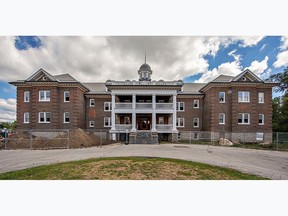
Canada’s National Day for Truth and Reconciliation on September 30 will be especially meaningful for people in Brantford, Six Nations, and surrounding area as the former Mohawk Institute Residential School will reopen as an interpretive historic site and educational resource.
Article content
Canada’s National Day for Truth and Reconciliation on September 30 will be especially meaningful for people in Brantford, Six Nations, and surrounding area as the former Mohawk Institute Residential School will reopen as an interpretive historic site and educational resource.
Advertisement 2
Article content
“The importance of sharing stories of survivors and this dark chapter in Canada’s history cannot be understated,” said Jake Jamieson, artistic and programming director at the Woodland Cultural Centre. “Since the release of the (Truth and Reconciliation Commission of Canada) Calls To Action 10 years ago, there remain numerous calls that have gone unanswered and unaddressed. It is important that these stories are shared because it is evidence of cultural genocide against Indigenous people.”
Article content
Recommended Videos
Article content
As an interpretive historic site and educational resource, Jamieson said the aim is to explicitly dispel prejudices and combat misinformation, giving Canadians and other visitors an educational opportunity the discover the truth that they cannot get in curriculum textbooks or from the internet.
Advertisement 3
Article content
In operation from 1828 to 1970, the Mohawk Institute was the longest-running residential school in the country. Many of the estimated 15,000 former students have described physical, emotional, and sexual abuse while at the boarding school located on Mohawk Street in Brantford.
Residential schools were initially operated by the Anglican Church of Canada, then the federal government, with the aim of erasing Indigenous language and culture. An estimated 150,000 Indigenous children across Canada were separated from their families and placed in residential schools where they were not allowed to speak their own language.
The residential school building in Brantford sat dormant for decades after its closure and sustained structural damage from major roof leaks in 2013. The community overwhelmingly supported preserving the 30,000-square-foot structure, resulting in the launch of the Save the Evidence fundraising campaign that year.
Advertisement 4
Article content
Renovations were carried out in three phases at a total cost of about $26 million, with a target date of June 2020 for completion. However, the COVID-19 pandemic impacted fundraising efforts resulting in increased labour and materials costs, and construction and logistical delays.
“We are grateful to the survivors, donors, Woodland staff, contractors, and partners at all levels of government for supporting us in completing this major undertaking and preserving the evidence of the history of the longest-running residential school in Canadian history,” said WCC executive director Heather George. “It is made all the more meaningful by the fact that we are re-opening the building to the public as we reach the tenth anniversary of the final report of the Truth and Reconciliation Commission of Canada.
Advertisement 5
Article content
“Of the 97 Calls to Action that accompanied the report, a number address education and heritage, and we are honoured to work to uphold these calls and be part of the truth-sharing process necessary for true reconciliation to occur.”
Jamieson noted that following the official unveiling of the former Mohawk Institute residential school building as an interpreted historic site on September 30, the Woodland Cultural Centre – located adjacent to the Mohawk Institute – will close for a few days to allow staff time for wellness and recovery from a busy event and will reopen to the public on Friday, October 3.
Once opened, visitors will be allowed to purchase self-guided tours from the WCC gift shop along with an auditory guide, which will lead them through the building from the basement to the top floor.
Advertisement 6
Article content
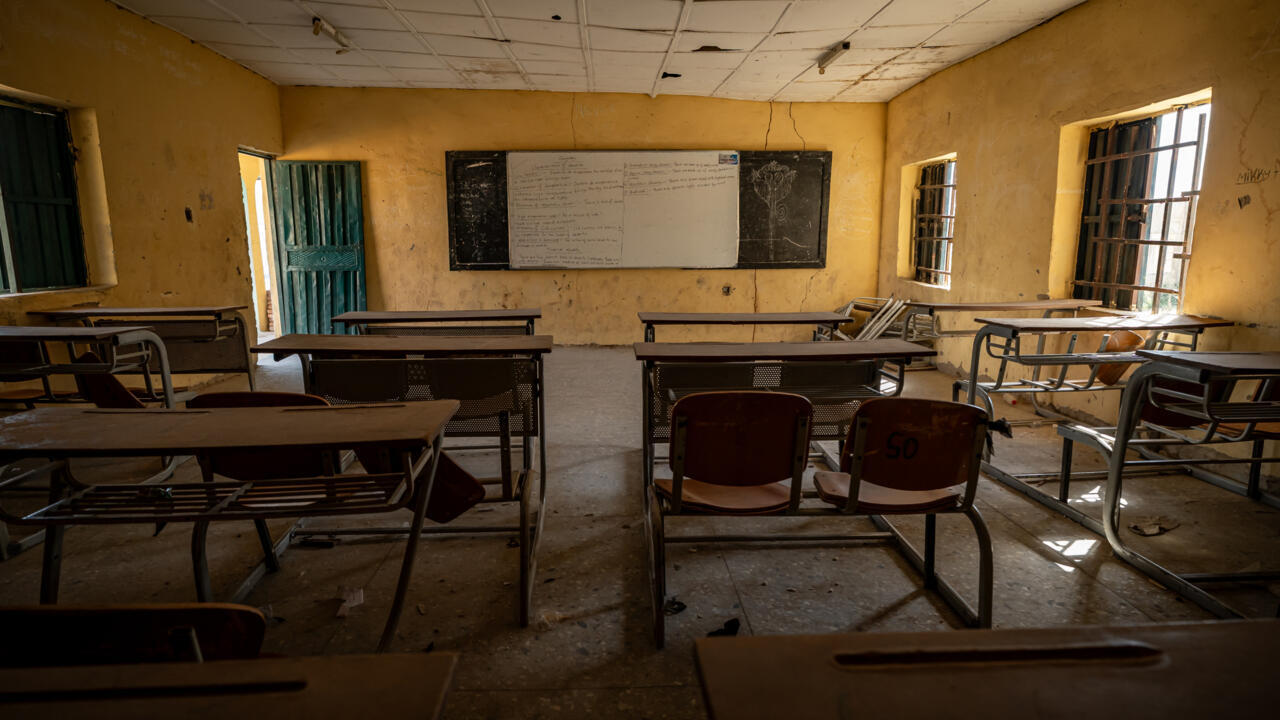
Visitors will encounter historical facts and statistics, survivor stories and testimonies, staged rooms and classrooms detailing the daily life of students, along with authentic artifacts from the building.
“It feels gratifying to see the light at the end of the tunnel on the construction and restoration of the former Mohawk Institute residential school building,” Jamieson shared. “There have been many folks involved such as Janis Bomberry and Amos Key Jr., who were instrumental in those initial years, that were integral in getting us to the place we are now.
“This work could not have been done without the dedication and support of our residential school survivors and the patience of the staff of the Woodland Cultural Centre. At the end of this tunnel, we are most excited by the intrigue of our First Nations community members to come and experience the interpreted historic site.
“We hope what visitors will take away from the experience is the truth of the residential school system,” he said.
bethompson@postmedia.com
Article content